Mapping Virtual Roulette Bet Sectors to Digital Wheel Segment Distributions
Written by Kai Simmons · Jun 4, 2026
Mapping Virtual Roulette Bet Sectors to Digital Wheel Segment Distributions
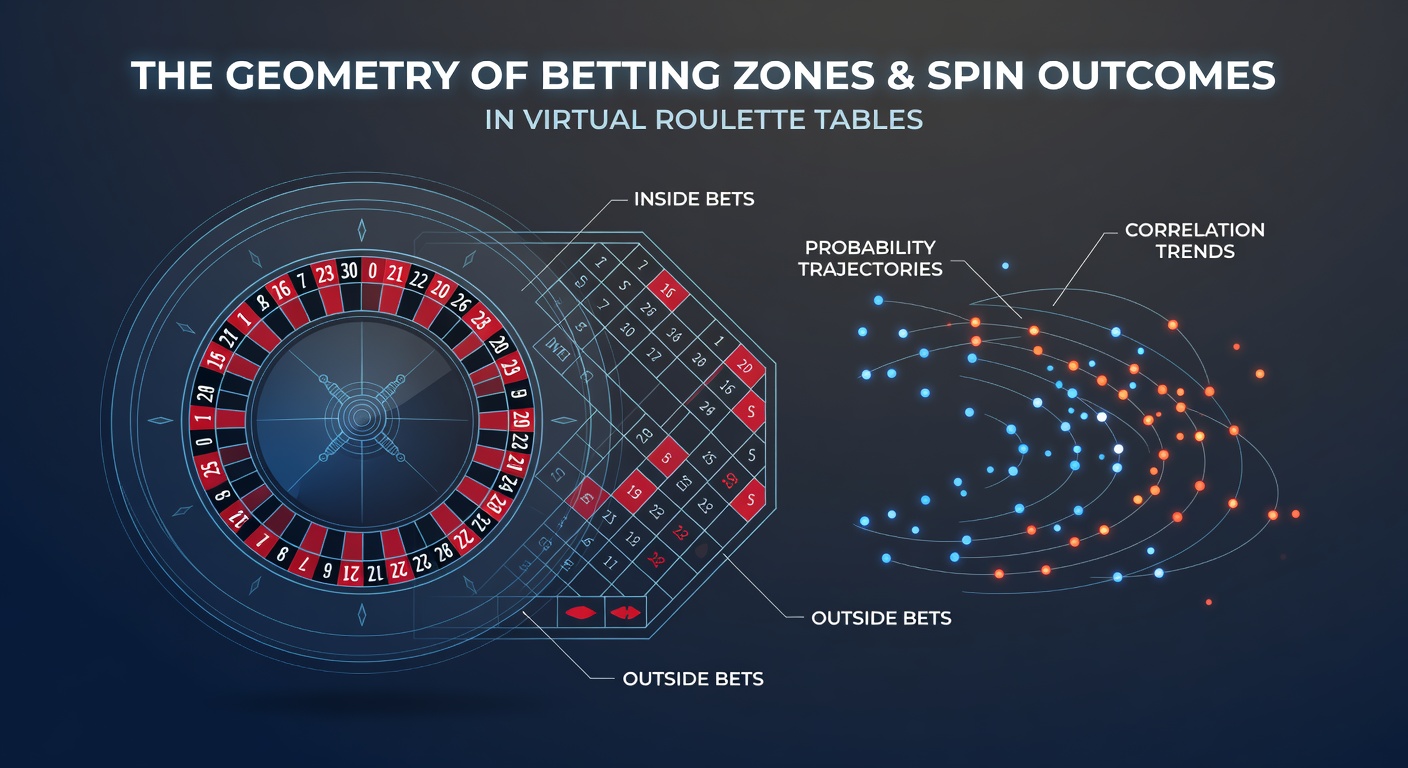
Virtual roulette platforms arrange betting zones across a grid that mirrors physical table felt while the underlying wheel simulation divides into 37 or 38 segments depending on the variant, and researchers continue to examine how these spatial arrangements interact with random number generator outputs. The layout places numbers in a rectangular grid format where players select individual pockets or grouped regions such as dozens and columns, whereas the wheel itself positions pockets in a fixed sequence that does not match the table order, creating a geometric disconnect that virtual systems replicate exactly.
Studies of sector coverage reveal that certain bet types cover contiguous wheel arcs while others span dispersed positions, and this distinction affects how outcomes distribute across repeated simulations. Observers note that voisins bets cluster around a central number on the wheel and extend outward by several pockets on each side, whereas table neighbors group numbers that sit adjacent only on the betting grid. Data from large-scale RNG testing shows these patterns produce expected frequencies aligned with mathematical probabilities rather than any spatial bias within the software.
Wheel Geometry Versus Table Layout Configurations
European and American wheel arrangements follow specific sequences where red and black alternate except at the zeros, and the order proceeds in a repeating cycle that virtual generators mirror without deviation. A single number bet occupies one of 37 positions on a French wheel, producing a probability of 1/37 per spin, while column bets cover 12 numbers each and maintain their 12/37 ratio across millions of trials. Those who've analyzed simulation logs find that the fixed wheel sequence ensures every pocket remains equally likely regardless of where the corresponding number appears on the betting grid.
Virtual platforms apply the same geometry to every round because the RNG selects from the complete set of pockets using uniform distribution algorithms, and regulatory testing in multiple jurisdictions confirms this uniformity through statistical audits. One study revealed that sector-based bets like tiers du cylindre cover an arc spanning roughly one-third of the wheel, yet their hit rate stays consistent with the covered proportion even when the ball lands in any sequence order.
Outcome Distribution Patterns Across Simulated Spins
Simulation data collected over extended periods indicates that clustering of results within particular wheel arcs occurs at rates predicted by chance alone, and analysts track these events through frequency banding techniques that group consecutive outcomes. Virtual wheels do not exhibit physical wear or bias that might favor certain segments, so correlations between repeated spins remain limited to the independent nature of each RNG draw. Figures from testing laboratories show variance within normal statistical bounds even during sessions exceeding 100,000 spins.

Players who track historical results sometimes observe temporary runs where numbers from one zone appear more often, yet these streaks align with expected random fluctuations rather than geometric favoritism. Research conducted by the Australian Gambling Research Centre examined thousands of virtual roulette sessions and found no persistent link between table zone selections adn wheel segment results beyond probability calculations. In June 2026 several testing facilities updated their verification protocols to include additional spatial mapping checks that further confirm uniform distribution across all wheel positions.
Bet Type Coverage and Segment Probability Alignment
Even-money bets such as red or black each cover 18 pockets on a European wheel, and their placement on the table grid groups colors together while the wheel distributes them alternately. Column and dozen selections each span 12 consecutive numbers on the layout but map to scattered wheel locations, and simulation records demonstrate that these dispersed positions still produce outcomes matching the 12/37 probability exactly. Observers note that called bets like orphelins and voisins require players to understand wheel geometry rather than table adjacency, which virtual interfaces accommodate through dedicated selection tools.
According to reports from the Nevada Gaming Control Board, virtual roulette systems undergo continuous monitoring that verifies every generated number falls within the correct probability distribution for its corresponding wheel segment. This process ensures that any apparent correlation between chosen betting zones and landed outcomes stems solely from the mathematical structure rather than software patterning. Those examining progressive betting systems applied to zone selections find that bankroll outcomes follow the same variance patterns observed in standard RNG testing regardless of the geometric arrangement used.
Conclusion
Virtual roulette maintains strict separation between table betting geometry and wheel segment selection through RNG mechanisms that treat each spin independently, and extensive testing confirms outcome distributions match theoretical expectations without spatial influence. Researchers continue to document these relationships through large simulation datasets that reinforce the absence of correlation beyond probability mathematics. Players encounter the same geometric principles that govern physical wheels, yet the digital format removes variables such as physical bias while preserving the original layout and wheel structures. Data from multiple regulatory environments shows consistent results across variants, supporting the conclusion that betting zone selections operate independently of spin segment patterns in all properly audited virtual systems.