Bridging Virtual Practice and Actual Play: Resource Management Tactics in Regulated Wheel Gaming Environments
Written by Klara Richter · Aug 8, 2026
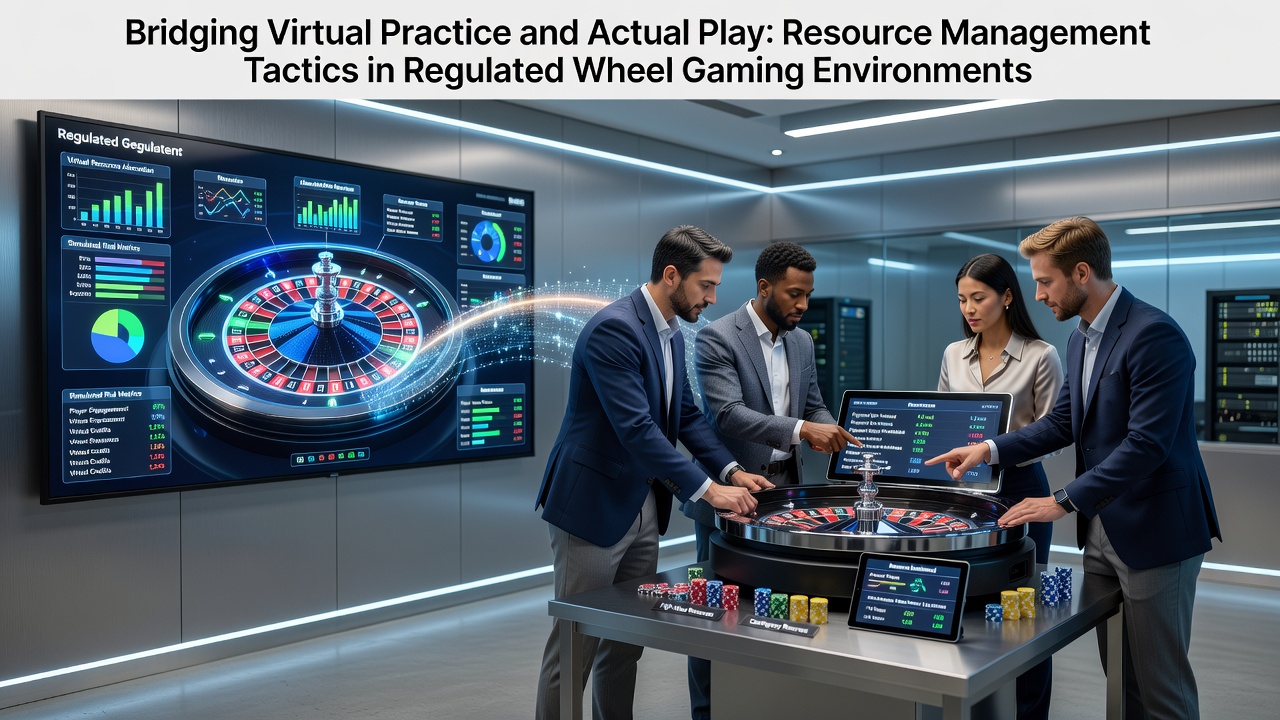
Bridging Virtual Practice and Actual Play: Resource Management Tactics in Regulated Wheel Gaming Environments
Regulated wheel gaming environments rely on structured resource management approaches that players develop through virtual practice sessions before applying those same tactics in actual play settings, and data from multiple jurisdictions shows how these transitions occur under oversight from bodies like the Nevada Gaming Control Board and the Australian Communications and Media Authority. Virtual platforms offer controlled settings where participants test allocation strategies, track outcomes across repeated spins, and adjust limits without financial exposure, while regulated environments enforce strict rules on deposits, session times, and payout verification that demand precise application of those rehearsed methods.
Foundations of Virtual Practice for Resource Allocation
Virtual practice modules replicate wheel mechanics and payout structures found in licensed venues, allowing users to experiment with session budgets, bet sizing sequences, and recovery thresholds over extended periods. Research indicates that consistent simulation use correlates with improved adherence to predefined spending caps once participants move to real-money tables, since the repetition builds familiarity with variance patterns and decision points that arise during live rounds. Observers note that many platforms incorporate analytics dashboards displaying metrics such as average bet duration, win rate distribution, and drawdown frequency, which mirror reporting requirements in regulated markets and help users internalize disciplined tracking habits.
Those who study player behavior across digital environments report that individuals who establish clear resource boundaries during practice, such as fixed credit allotments per hour or maximum loss triggers, maintain similar controls more reliably when stakes involve actual currency. The process involves layering multiple constraints together, for instance combining time-based alerts with percentage-based stop-loss rules, so that no single variable dominates decision making under pressure.
Transition Mechanisms Between Practice and Regulated Settings
Regulated operators often provide onboarding pathways that link practice accounts to verified live profiles, preserving historical data on betting patterns and enabling direct comparison of virtual versus actual performance. This continuity supports resource management by highlighting discrepancies that emerge once real funds replace simulated credits, such as shifts in risk tolerance or timing of bet adjustments. Studies from academic institutions have documented how players who review these side-by-side records adjust their allocation tactics more effectively than those who begin live play without prior benchmarking.

As of August 2026, several North American and European jurisdictions have expanded requirements for operators to supply standardized session summaries that include both practice and live data points, facilitating smoother transitions for participants who move between the two modes. These summaries detail metrics like total credits deployed, average stake per decision, and frequency of limit resets, creating objective references that reduce reliance on memory alone when refining management strategies.
Core Tactics for Sustained Resource Control
Effective tactics combine pre-session planning with in-play monitoring systems that operate identically across virtual and regulated platforms. One approach involves segmenting available resources into discrete portions assigned to specific phases of play, such as initial observation rounds, active betting sequences, and exit protocols, which prevents overcommitment during any single stage. Another method relies on dynamic recalibration, where participants compare current session metrics against practice-derived benchmarks and scale activity accordingly rather than pursuing fixed targets.
Industry reports compiled by organizations including the European Gaming and Betting Association emphasize the role of automated tools that flag deviations from established patterns, allowing immediate corrective action before resources reach critical thresholds. Participants who integrate these alerts into their routines demonstrate higher consistency in preserving capital across multiple sessions, since the feedback loop operates continuously regardless of whether the environment is simulated or licensed.
Regulatory Frameworks Supporting Consistent Application
Regulatory frameworks in various regions mandate transparency around resource limits and require operators to implement verification steps that align with practices first tested in virtual settings. Canadian provincial authorities, for example, have introduced guidelines that encourage integration of practice-derived analytics into live account dashboards, ensuring players retain access to the same monitoring capabilities when real funds are involved. This alignment reduces friction during the shift and reinforces habits developed without financial stakes.
Those who have examined compliance data across multiple markets find that environments enforcing uniform reporting standards between practice and actual play see fewer instances of unplanned resource depletion, because the shared metrics create a continuous reference framework rather than separate disconnected experiences.
Conclusion
Resource management in regulated wheel gaming environments benefits from deliberate bridging between virtual practice and actual play, where tactics refined through simulation receive direct application under licensed conditions. Data from diverse regulatory sources demonstrates that continuity in tracking tools, segmented allocation methods, and automated monitoring supports sustained control across both contexts. As jurisdictions continue to standardize reporting requirements, the pathways connecting these modes are expected to strengthen further, providing participants with consistent structures for maintaining discipline regardless of the setting.